
If you’ve ever woken up after a meal out, party, or festive evening and thought:
-
“I feel uncomfortable… or worse, I feel gross.”
-
“My clothes feel tight.”
-
“I’ve messed things up.”
-
“I really need to sort this out.”
And before you’ve even had breakfast, your brain is already trying to plan how to “make up for it”.
Eating less, cutting things out, being stricter, or promising yourself you’ll properly get back on track on Monday… or in January.
If that sounds familiar, you’re not alone, and I cover this in a more in depth audio version of this blog post here:
The way you respond to these thoughts and feelings makes a huge difference to whether you reach – and maintain – your weight loss goals.
So today I want to talk about a much kinder AND more effective way to reset. One that actually works, doesn’t involve punishment, and helps you get through December working with yourself instead of against yourself.
Let’s get into it.
Why December Feels So Hard (And It’s Not Lack of Willpower)
For most women I work with, December isn’t really about “over-eating” or “lack of willpower”.
It’s about mental load.
You’re juggling more:
-
More planning
-
More social events
-
More decisions
-
More food around
-
Less routine
-
Less sleep
Add in richer foods, more sugar, more alcohol and later nights, and it’s no surprise your body feels a bit bloated, heavy or out of sorts.
Unfortunately, when your body doesn’t feel great, the instinct for many women is guilt. And this is often followed by trying to clamp down and regain control through restriction.
That often looks like:
-
Skipping meals
-
Cutting carbs
-
Telling yourself you’ll “be good” for a few days
-
Planning a very strict January
But restriction doesn’t create balance – it disrupts it.
It increases hunger, food focus, cravings and guilt, and often damages your relationship with food. That’s how people get stuck in the cycle of:
Overeating → guilt → restriction → repeat
There is room for balancing things out. But it needs to be done in a way that protects your body, your mindset, and your long-term progress.

What a Real Reset Actually Is (And What It Isn’t)
A healthy, effective reset isn’t about control or punishment.
Conversely, it’s about returning as quickly as possible to normal, supportive habits.
So we’re not aiming for:
-
“Clean eating”
-
Extremes
-
Cutting things out
-
Trying to undo what happened
Instead, a real reset looks like:
-
Eating normal, balanced meals
-
Drinking water
-
Moving in ways that feel good
-
Prioritising sleep where you can
-
Speaking to yourself kindly
The goal isn’t to undo what happened – it’s to move forward without turning it into a big thing.
Getting Back on Track After Christmas Without Beating Yourself Up
If you do regret how something went, the most helpful thing you can do is learn something useful that will help future you.
For instance, often we say “I’ll do better next time”. But your brain needs something more specific to follow. In particular, in that moment next time, it needs you to have already thought about what you could actually think do to create a better outcome.
So you could ask yourself:
-
What exactly could I do differently next time?
-
What thoughts would help me feel more in control?
-
What practical strategies could support me?
Here are some examples:
-
Having a protein-rich snack before going out
-
Sitting away from the buffet table
-
Ordering a soft drink or alternating drinks
-
Using your non-dominant hand for alcohol
-
Filling up on protein and veg first
-
Deciding in advance which foods are “worth it” and skipping the rest
Specific plans reduce stress, decision fatigue and guilt, and help future you feel far more confident.

A 24-48 Hour Gentle Reset Framework
You can come back to this again and again over Christmas.
1. Hydrate First
After festive food and alcohol, hydration makes a huge difference.
Aim for:
-
A big glass of water on waking
-
Water before coffee
-
Water before meals
This supports digestion, bloating, headaches and appetite, and it’s one of the simplest, most effective resets you can do.
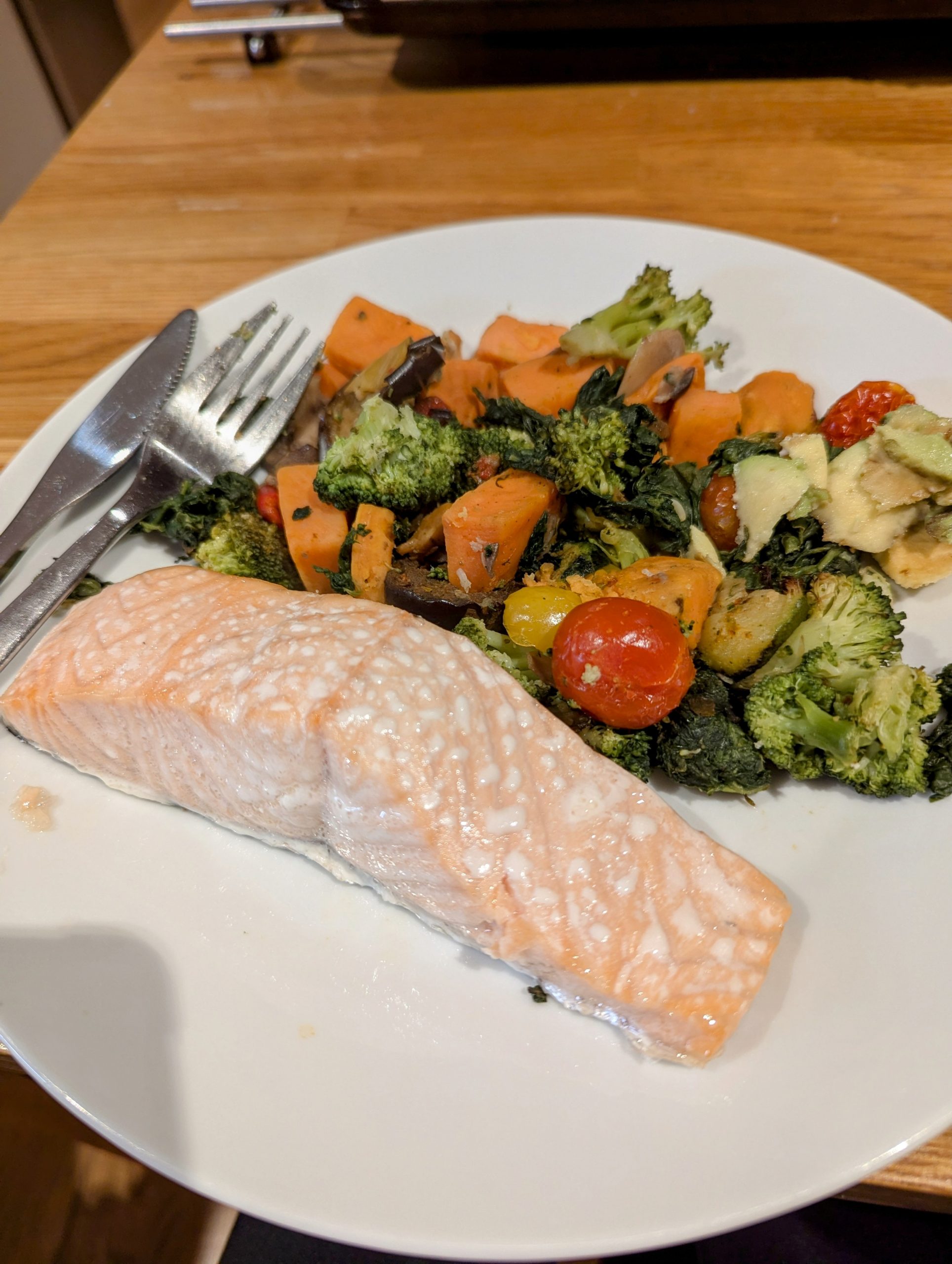
2. Eat Normal, Balanced Meals
Not skipping meals.
Not eating “really light all day”.
Think nourishment, not restriction.
Aim for:
-
Protein (to support muscle, satiety and blood sugar)
-
Fibre (fruit, veg, oats, beans, lentils)
-
Carbohydrates in sensible portions (rice, potatoes, oats, beans)
-
Healthy fats (olive oil, eggs, avocado, oily fish)
If you’re not very hungry, eat lighter, but avoid big gaps in your day with no food.
Skipping meals often backfires and leads to overeating later. And we also really benefit from getting a few doses of protein spread out over the day.
Even a small meal with protein, fruit and veg helps your body:
-
Process richer food from the day before
-
Maintain muscle
-
Keep energy steady
-
Reduce cravings later
If you’ve had a lot of calories, fat or carbs recently, eating a bit lighter according to your appetite can help balance things out. But still eat if you’re physically hungry – think about giving your body the nourishment it needs rather than just cutting things out.
3. Use Small Anchors
Small anchors are the habits that keep you aligned with your goals in doable ways, even when everything feels busy and chaotic.
Think of these as still casting votes towards who you want to be (if you’ve read the book Atomic Habits, you’ll be very familiar with this concept. If you haven’t, I highly recommend checking it out).
Here are some examples:
-
A protein-rich breakfast
-
Adding veg or fruit to one meal
-
A short walk
-
A 10-minute strength or mobility session
-
A big glass of water before drinks
They might feel small, but they add up. Don’t dismiss them.
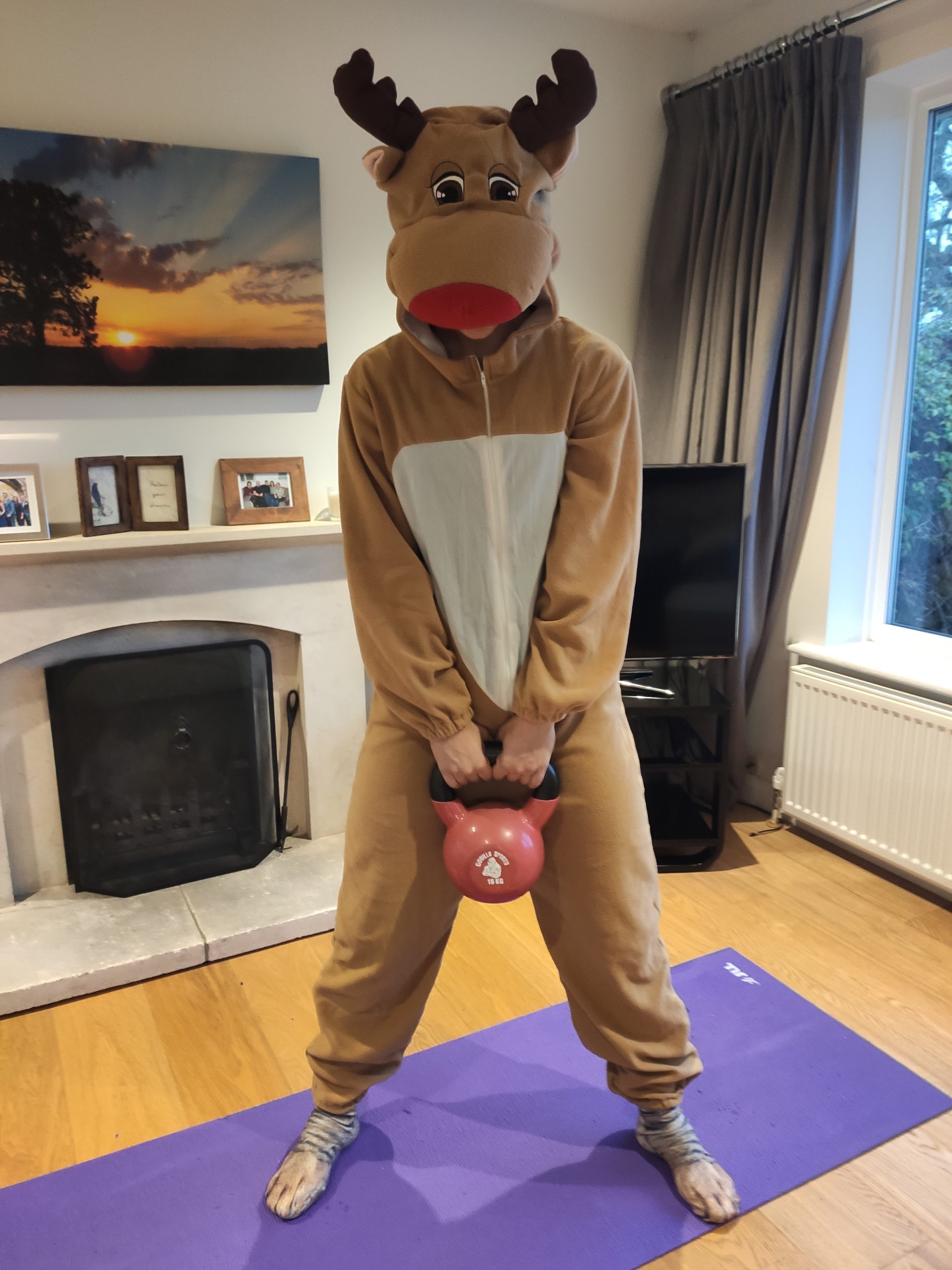
4. Choose Gentle Movement
This isn’t about punishment workouts.
Think:
-
Walking
-
Stretching
-
Mobility
-
An easy home workout or relaxed gym session
Movement helps digestion, mood and energy. And for many people (including my online coaching clients) once they move their body, making supportive food choices feels far easier.
5. Prioritise Sleep Where You Can
Late nights happen in December.
Sometimes the reset isn’t “doing more” – it’s doing less:
-
Going to bed earlier
-
Slowing down
-
Saying no when you need to
All of that counts.
Dropping Guilt and Changing the Conversation
One of the most powerful habits to practise in December is dropping guilt.
Guilt about:
-
What you ate
-
What you didn’t get done
-
Resting
-
Missing workouts
-
Enjoying yourself
-
Gaining a couple of pounds
Guilt doesn’t help you make better choices – it drains your energy and motivation and makes it more likely you’ll self sabotage.
So instead, aim to practise:
-
Enjoyment – savour whatever delicious food you choose
-
Self-compassion – speak to yourself like you would speak to someone you love
-
Finding the wins – what went well today? What did you do well? Don’t let your brain say ‘nothing!’ There are always wins and things you did well – find them and you train your brain to want to keep creating more of them.
And adopt the mantra:
“You win or you learn.”
Then ask:
What’s my next supportive choice?
Not perfect. Just supportive of you and your goals
Then do that thing, and keep going.
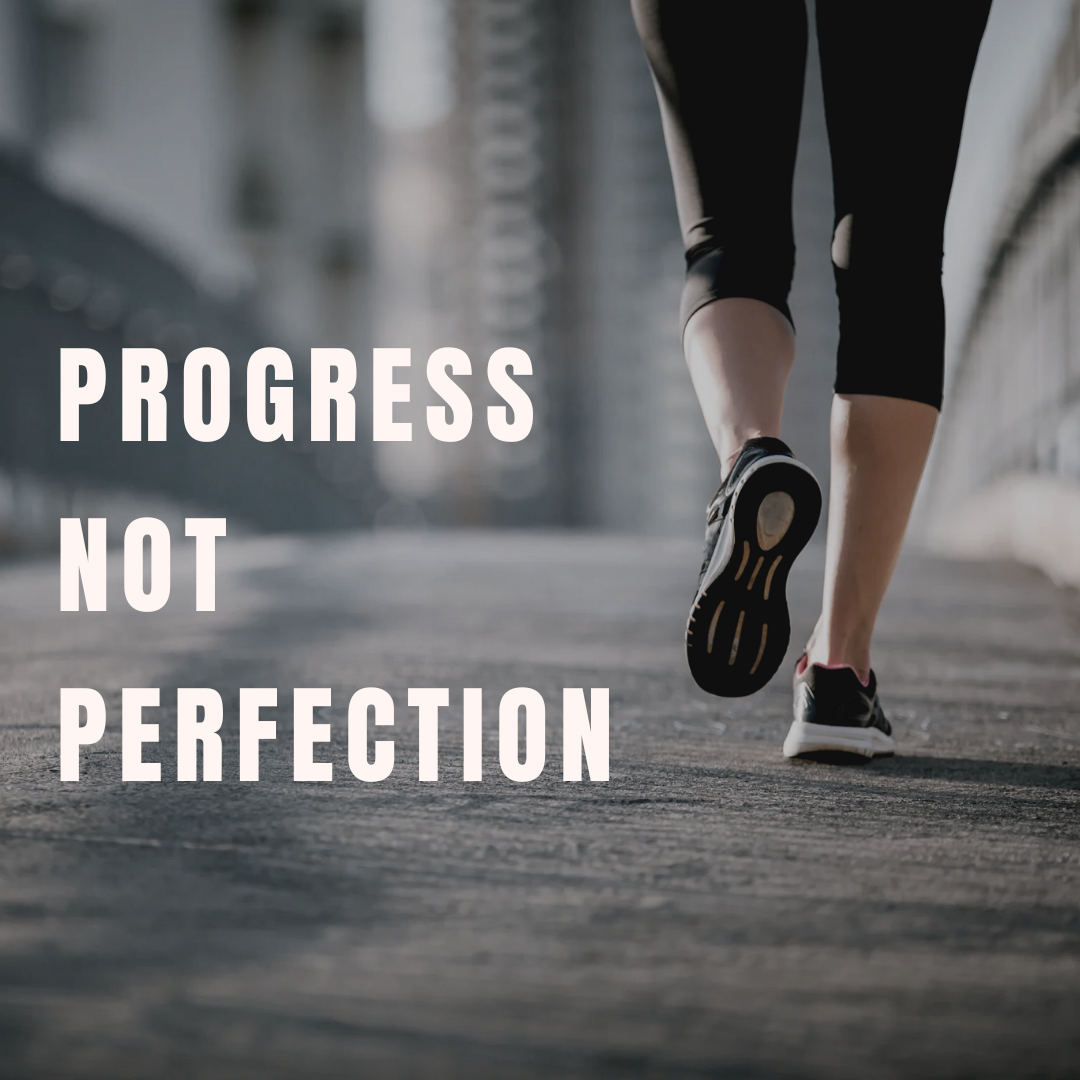
The Scales at Christmas: What’s Really Going On?
December is when the scales can cause the most unnecessary stress.
You might step on, see a higher number and immediately assume you’ve gained fat. But here’s what’s actually happening.
Carbs = Water Weight
When you eat more carbohydrates, your body stores them as glycogen.
And for every 1g of glycogen, your body stores around 3g of water.
So a few higher-carb days can easily show up as several pounds on the scales, and it can seem surprising, but it’s just water.
Salt & Inflammation
Many festive foods are fairly high in salt, and salt increases water retention.
Alcohol, poor sleep and stress also increase inflammation, which again can lead to temporary water weight gain.
Food Volume
If you’ve eaten more food (which let’s face it, it’s Christmas, we all do), there’s simply more in your digestive system.
Somewhat surprisingly, food can take 24–72 hours to fully pass through.
Thus, sometimes the number on the scales is literally just yesterday’s dinner.
What About Fat Gain?
To gain 1lb (0.45kg) of fat, you’d need to consume around 3,500 calories ABOVE what you need to maintain your current weight.
To be fair, it’s pretty easy for that to happen on Christmas day, but if it does, it won’t take long to lose as long you get back to normal habits after.
But otherwise, that amount of excess calories and gain in body fat doesn’t happen from:
-
One meal out or takeaway
-
One day of relaxed eating
-
One weekend where you had a few extra bits here and there
So in December, the scales often reflect:
-
Eating more carbs and salt
-
Food volume
-
Water retention for a body that’s dealing with a bit more stress from different foods, less routines, and less healthy habits
They don’t demonstrate failure or lack of progress.
And they are definitely not a reflection of your worth.
This can be a great time to step away from the scales, or at least take them with a very large pinch of salt.
What Successful Weight Maintainers Do Over Christmas
Research looking at people who have lost weight and maintained it long-term, found some common strategies during the holiday season.
Over 90% reported doing things like:
-
Maintaining their usual exercise routine
-
Making mindful choices about which festive foods were “worth it”
-
Adjusting other meals on days with events
-
Avoiding certain foods that weren’t important to them
-
Minimising tempting foods at home
-
Focusing on non-food aspects of Christmas
-
Packing healthy snacks when travelling
What’s the key theme among them?
Planning in advance.
As these successful maintainers have demonstrated, weight gain isn’t inevitable over Christmas. Mindfulness, movement and a few simple strategies go a long way.
Furthermore, tracking calories and nutrition (for those who choose to) can be very useful, as long as it’s seen as a tool rather than a punishment.
In studies, participants who logged their food intake more than 5 days per week lost twice as much weight as those who logged 1-2 days per week.
In my coaching experience, I find clients who are willing to track around Christmas (not Christmas day, but most other days) – and not beat themselves up for going over calories sometimes – find it easier to gain minimal weight and see progress again soon after.
Two Common Traps to Watch Out For
Do you recognise either of these two very common patterns?
The ‘I deserve this’ Trap
This is when self-sabotage gets rebranded as self-care:
-
“I’ve had a hard day/week/year, I deserve this extra food/drink”
-
“It’s Christmas, I should enjoy myself.”
Of course, you do deserve to enjoy yourself and have what you want. But do you deserve the consequences of the choice you’re about to make? If it will make you feel stuffed, sick, bloated, unhappy or frustrated after because it was more than your body wanted at the time, I would argue that you actually don’t deserve that.
You do deserve to feel happy, proud, healthy, fit, energised and proud of yourself. So it’s important to ask, what choice will support that?
Sometimes that’s still having the dessert / chocolate / wine etc, because in this situation it’s mindful, intentional, and worth it.
On the flip side, many other times you might find you actually deserve to say “no” to that temptation, so you can keep saying “yes” to your goals.
True self-care positively impacts you and leads to feeling how you want to feel – not just to what you want in the next few minutes.
The ‘Kick the Can down the Road’ Trap
This one sounds like:
“I’ll start Monday.”
“No point starting now with Christmas coming.”
“January’s my fresh start.”
But here’s the truth we often forget if we fall into this trap…
January You is going to be pretty unhappy with December You.
Every unnecessary ‘not worth it’ pound you gain, every habit you break, every promise to yourself that you fail to keep… that’s January You’s problem!
And she’ll have to start from further back than you are now.
So remember:
January doesn’t have magical powers. It’s still dark, cold and unmotivating.
And starting from scratch, having to rebuild habits and re-lose weight you already worked hard to lose, is more difficult than maintaining what you have.
On the other hand, if you…
- keep aiming for consistency not perfection
- lower the bar but still keep the bar there (i.e. keep making an effort and do what you realistically can – do a 15 minute walk instead of doing nothing because you can’t do the hour you want to do, etc)
- make good choices around the indulgent celebration meals
…it will make a difference. And January You will be very grateful that December You kept trying.
Getting Back on Track After Christmas Events: TLDR
You don’t need to restrict to reset.
You don’t need to punish yourself.
And you don’t need to wait for January.
You just need:
-
Kindness
-
Consistency
-
A few supportive habits
-
And the commitment to yourself to keep going
If you’d love support in 2026 to lose weight, get stronger, improve your relationship with food, and keep the results for good – I would love to help you. (Check out my Client Results page to see how many women just like you have reached their goals through Online Coaching)
You can find more about having me on your team here:
Online Weight Loss Coaching with Hayley
